
2025 was interesting reading year for me, different in many ways from previous years. I more-or-less finished writing my medieval novel (looking for a publisher now), so I read less medieval history than I have in the past. I’ve been on-again, off-again working on a historical fantasy novel set in Colonial Boston during the Golden Age of Piracy. The work is arguing with me over whether it is a meditation on middle age (in the character of Cotton Mather), or an adventure story with a young adult female protagonist – so I’ve been reading up on both. That work actually led me to publish a book of sorts, a collection of Cotton Mather’s sermons.
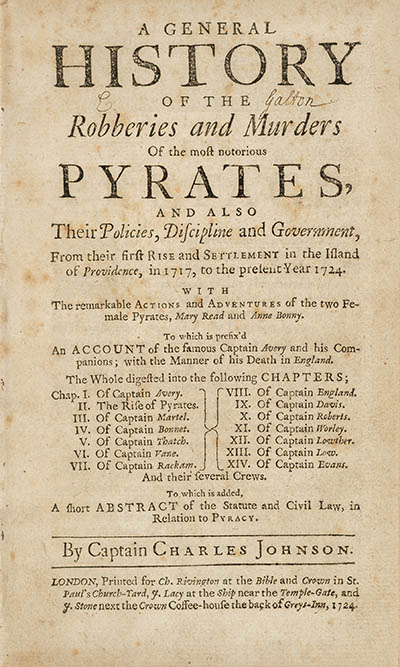
Colonial Boston & Pirates#
I read a fair amount about pirates last year. In terms of cover-to-cover “just sit and read”, Pirates of New England and Republic of Pirates were highlights. I read bits and pieces of The Sea Rover’s Practice, Under the Black Flag, The Last Days of Blackbeard the Pirate, and Black Flags, Blue Waters. I also read Nathaniel Philbrick’s Bunker Hill, which contains a lot of interest background on pre-Revolutionary War times in Boston.
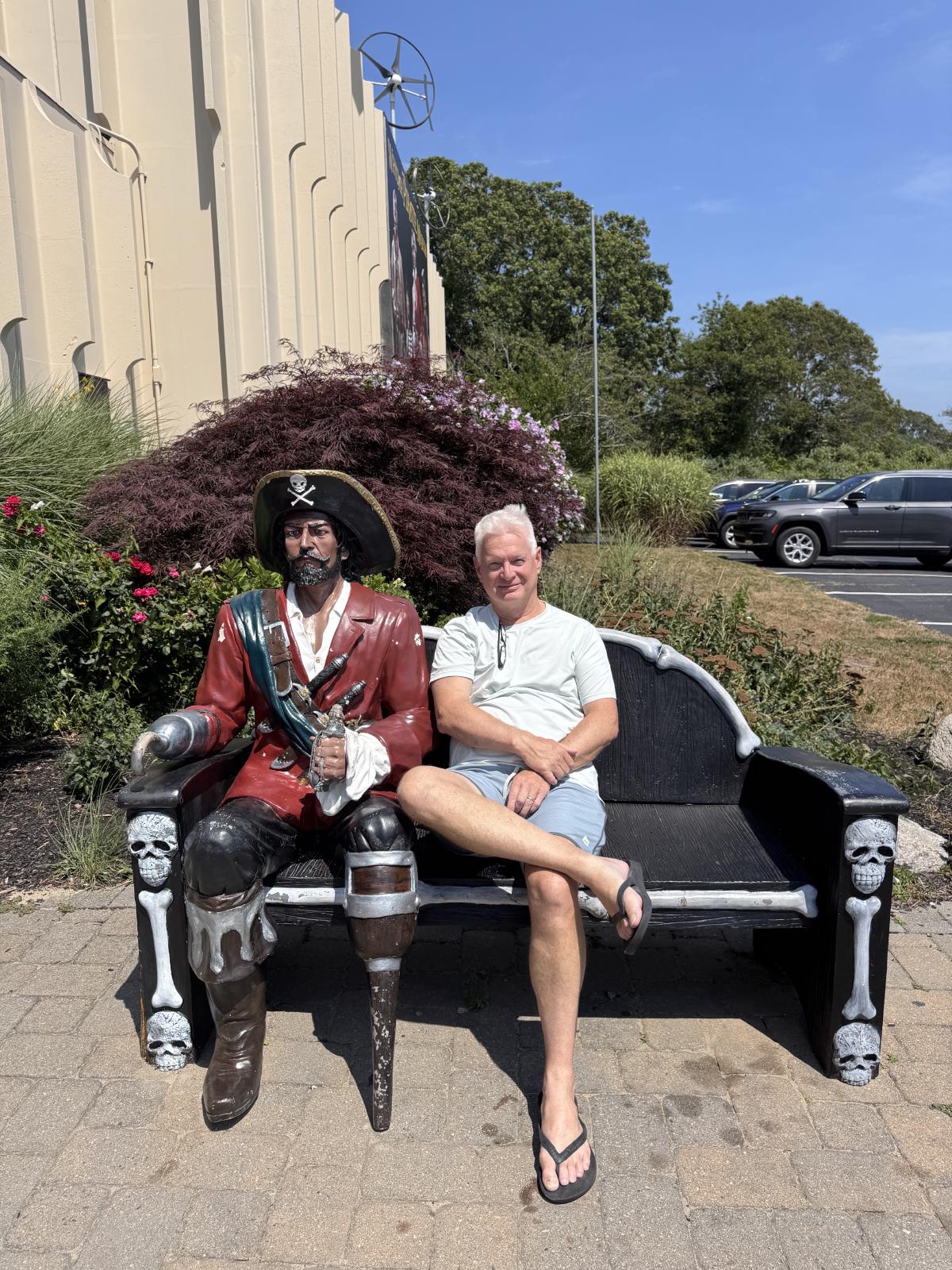
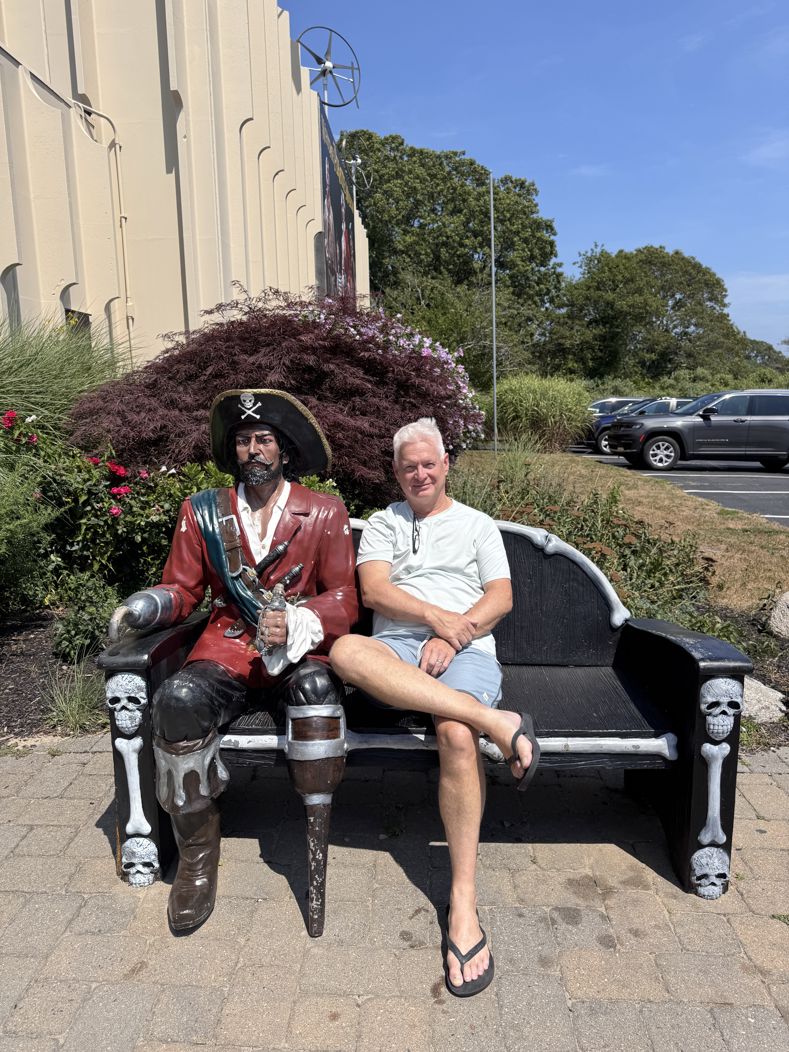
A travel highlight this year was visiting the Whydah Pirate Museum on Cape Cod in Massachusetts, to learn more about the Whydah, the only verified pirate treasure ship ever recovered. Barry Cliffor discovered the Whydah and her treasure; his Real Pirates is a easy read, targeted at kids, but accurate and fun.
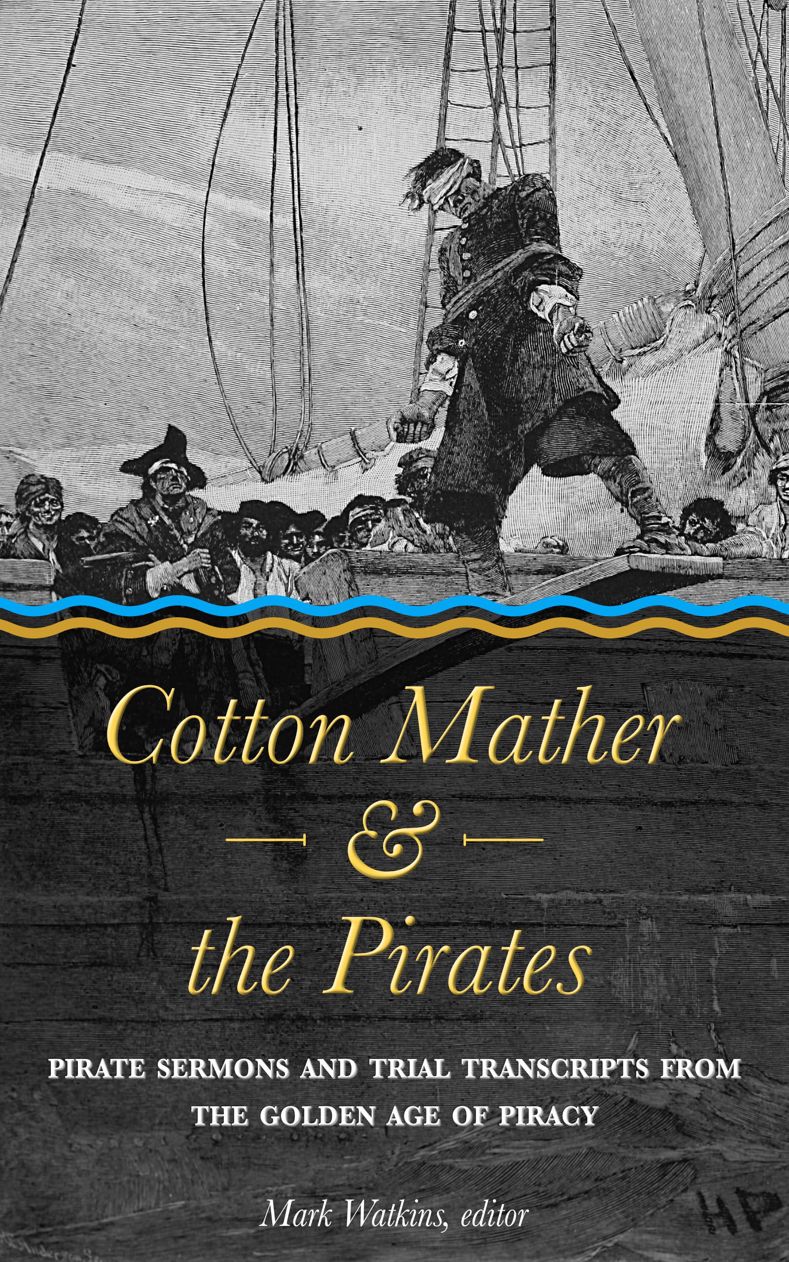
I have been reading a lot about Cotton Mather. He is/was a fascinating man. His popular reputation is mostly associated with the notorious Salem witch trials, where he is usually cast as the villain. Mather’s role in those events is smaller than usually believed; he was largely uninvolved in the trials themselves. But he was an extraordinarily prolific writer, and his writings have led him to be associated with the trial in ways that are somewhat unfair to him. But he was a very complicated man. He ministered aggressively to the pirates and a good deal of pirate history is preserved in his sermons. I published a collection of them, which you can find at the above link to Amazon.
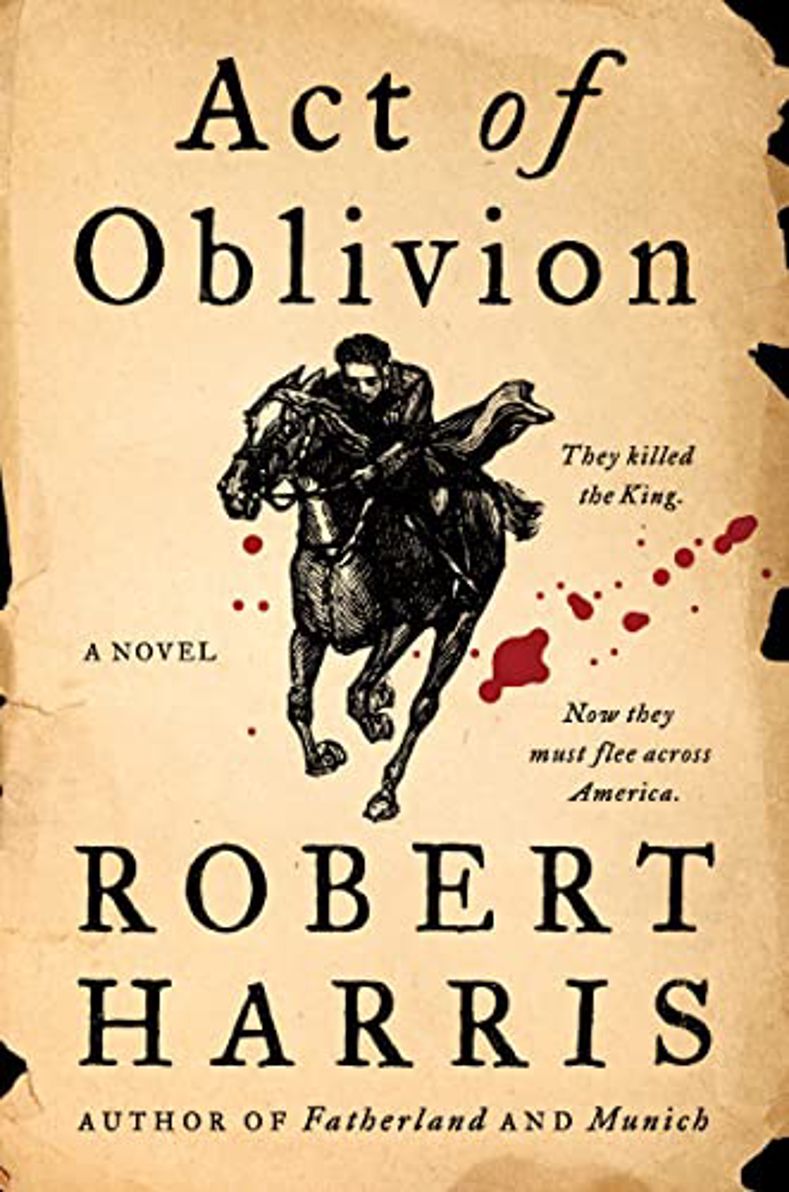
While there is a limited amount of historical fiction set in colonial times—oddly, in my view—I read Act of Oblivion by Robert Harris, Bone Rattler by Eliot Pattison, and began Robert McCammon’s colonial witch tale, Speaks the Nightbird.
This year I am hoping to get to Markus Rediker’s The Slave Ship, to learn more about the maritime aspects of the horrific slave trade.
Medieval stuff#
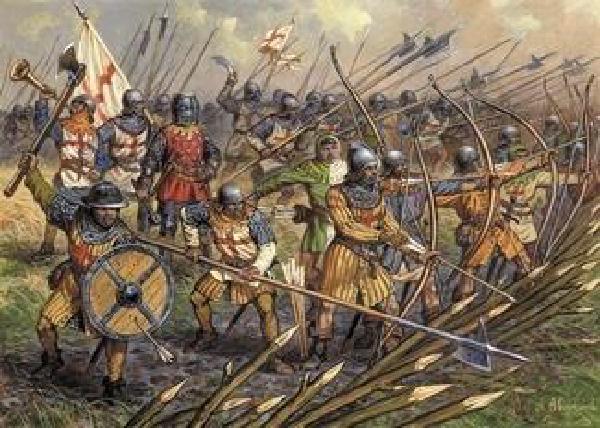
Though my medieval reading slowed down a bit this year, I still read some great books. A highlight was a Christmas eve reading of Sir Gawain and the Green Knight, in the Tolkien translation. More about that on my medieval blog:
The medieval historical fantasy/horror novel Between Two Fires was a highlight, not least because of how long it took me to see the book in a real bookstore (it is undergoing a reprinting and so common again). Great fun. I re-read Dissolution by CJ Sansom, following on my writing entry (The War Without Love) to a Sansom memorial writing event.
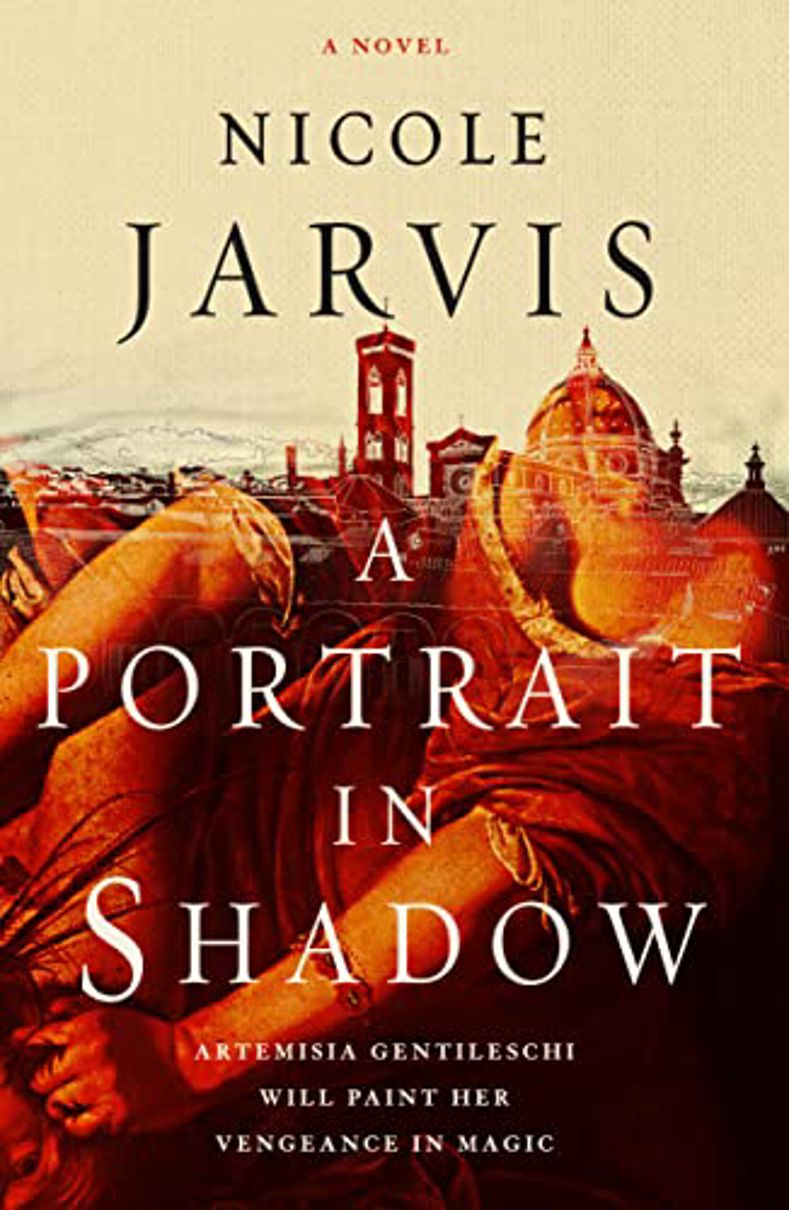
Seven Myths of the Crusades was a short and informative read. I think I may have finally put down Gillingham’s masterful biography of Richard I, which I have been living inside for a few years. I started A Portrait in Shadow which I hope to finish this year. I read a good chunk of The Abbot’s Tale by Conn Iggulden, but need to get back to it at some point.
YA books#
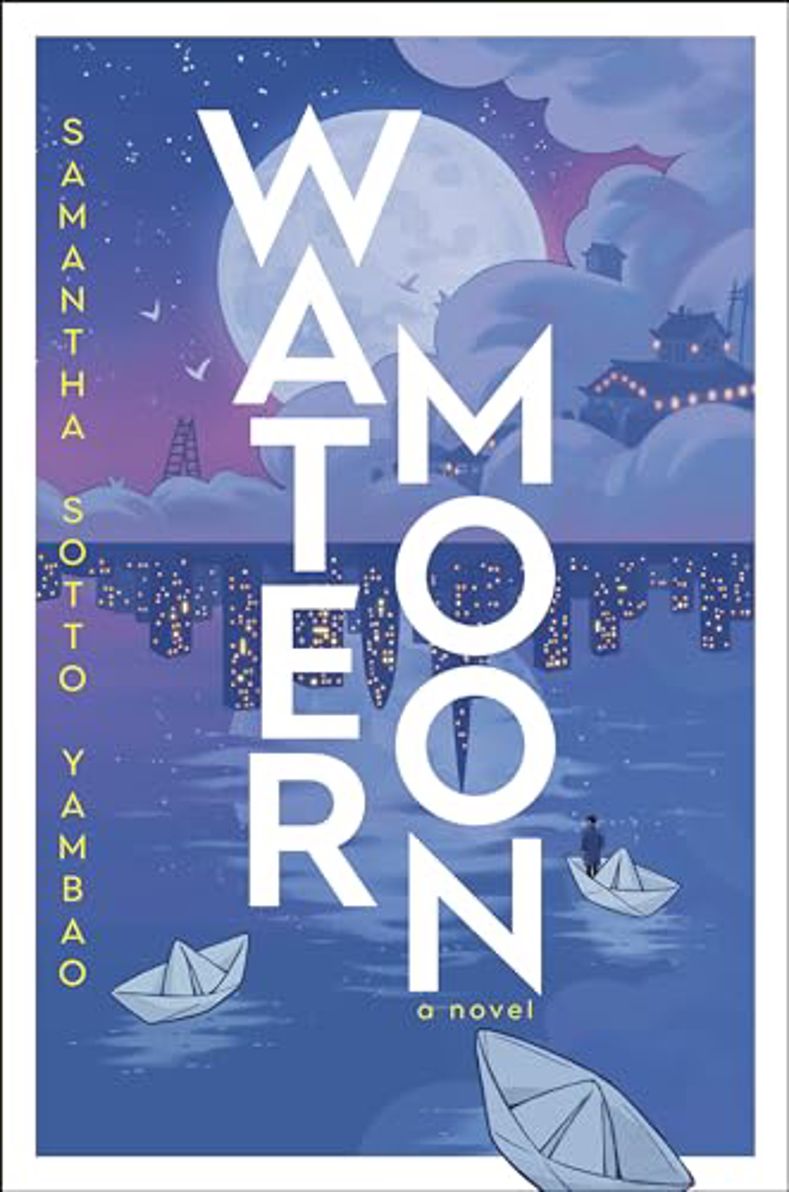
Because I’m working on a book featuring a young female protagonist, I’ve been reading more books in that vein, including Nettle & Bone, Water Moon, The Hum and the Shiver, The Amalfi Coast, and The Hunger Games. Water Moon was a particular favorite, a fantastical adventure involving a magical Tokyo pawn shop. The Hunger Games gave me a good taste of what a first-person narrative feels like; I almost always write in third person (“I went…”, vs “She went…”)
Fantasy#
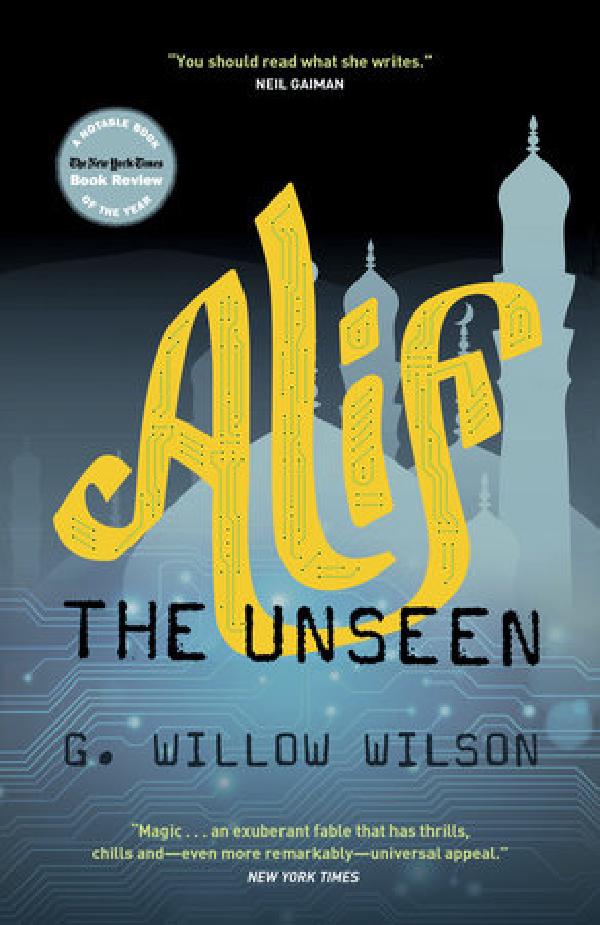
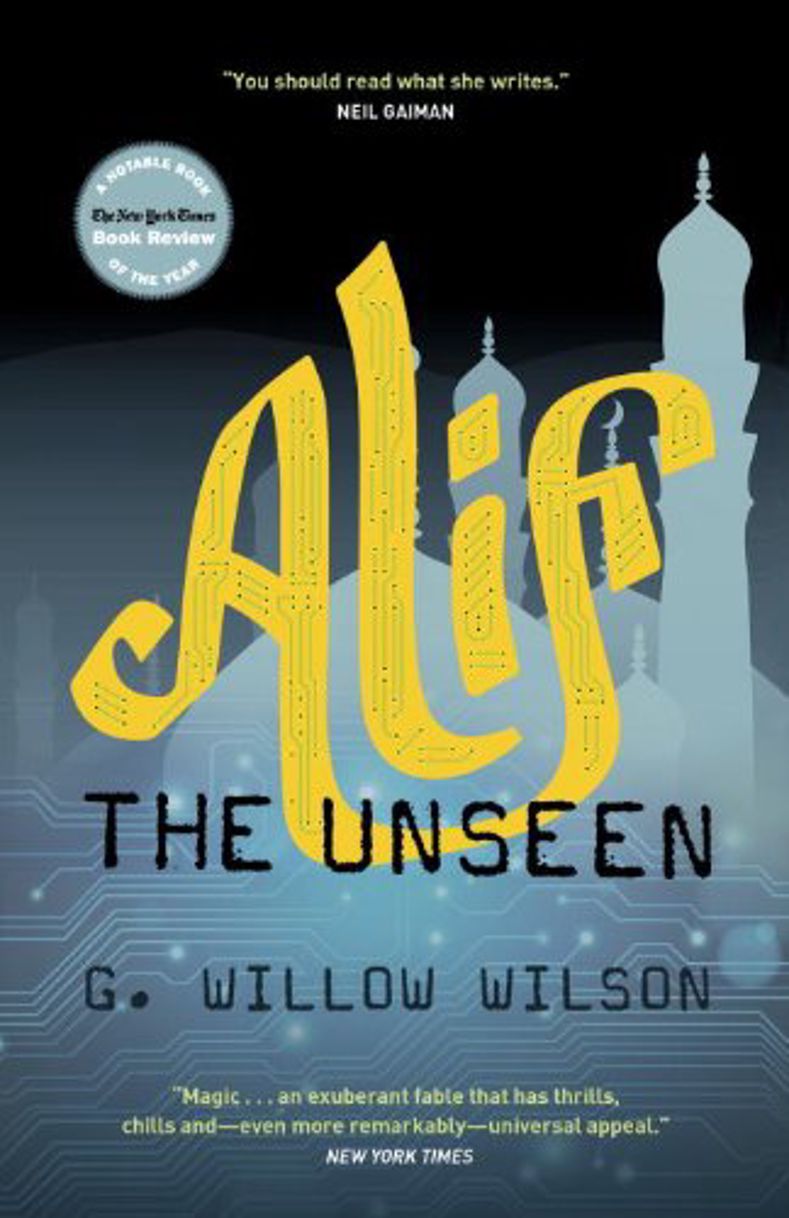
I usually read more fantasy than I did this year, but I really enjoyed Alif the Unseen, a supernatural take on cyberpunk and the Arab Spring (more here, AI-related), and The War in the Dark, a cold war spy novel with supernatural elements (compare to Declare or The Laundry Files series — Charles Stross, or Ian Tregellis). Written on the Dark was a fun medieval France fantasy by Guy Gavriel Kay, and I (re)read quite a bit of Robert Silverberg’s classic, Lord Valentine’s Castle; I especially love all the juggling bits.
Classics#
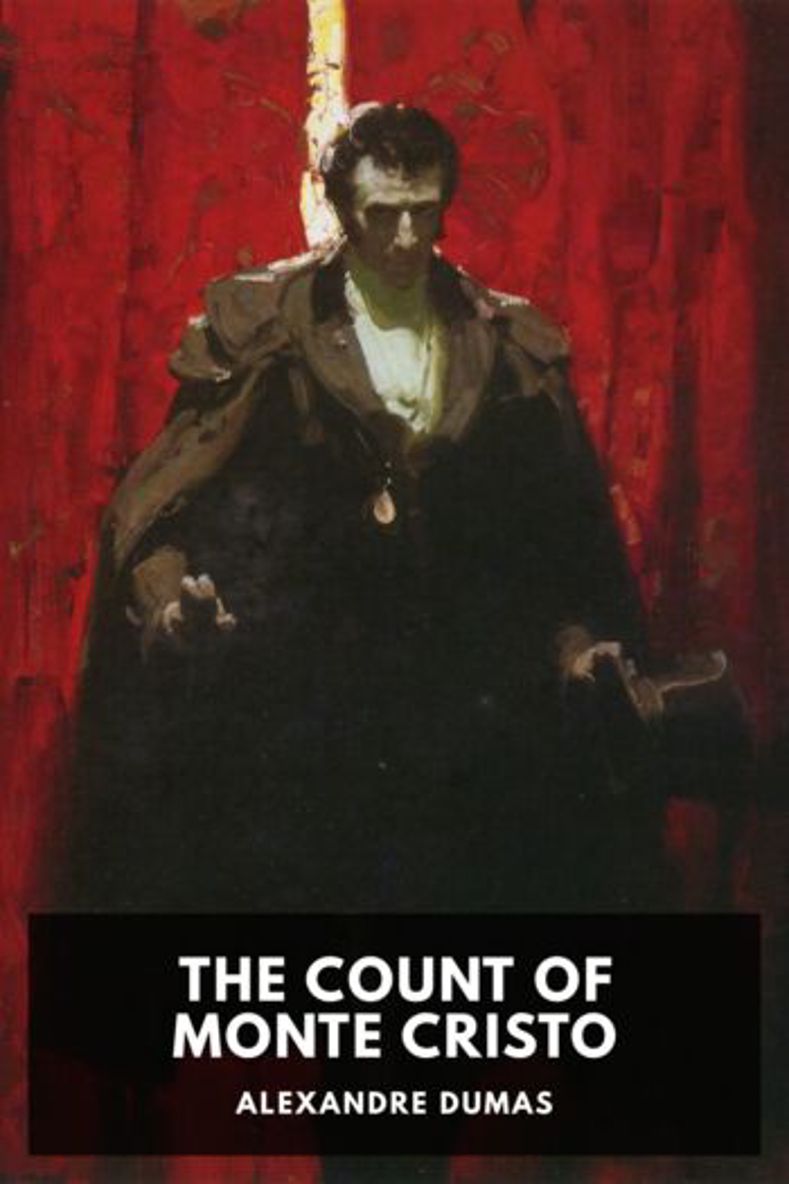
The Count of Monte Cristo is one of the classic adventure stories of all time. The recent movie is fantastic. This year, I read the book in the new(ish) Robin Buss translation. Wonderful. A warning—the book is enormous. Well over a thousand pages. But worth the effort, for me at least!
Spy stuff#
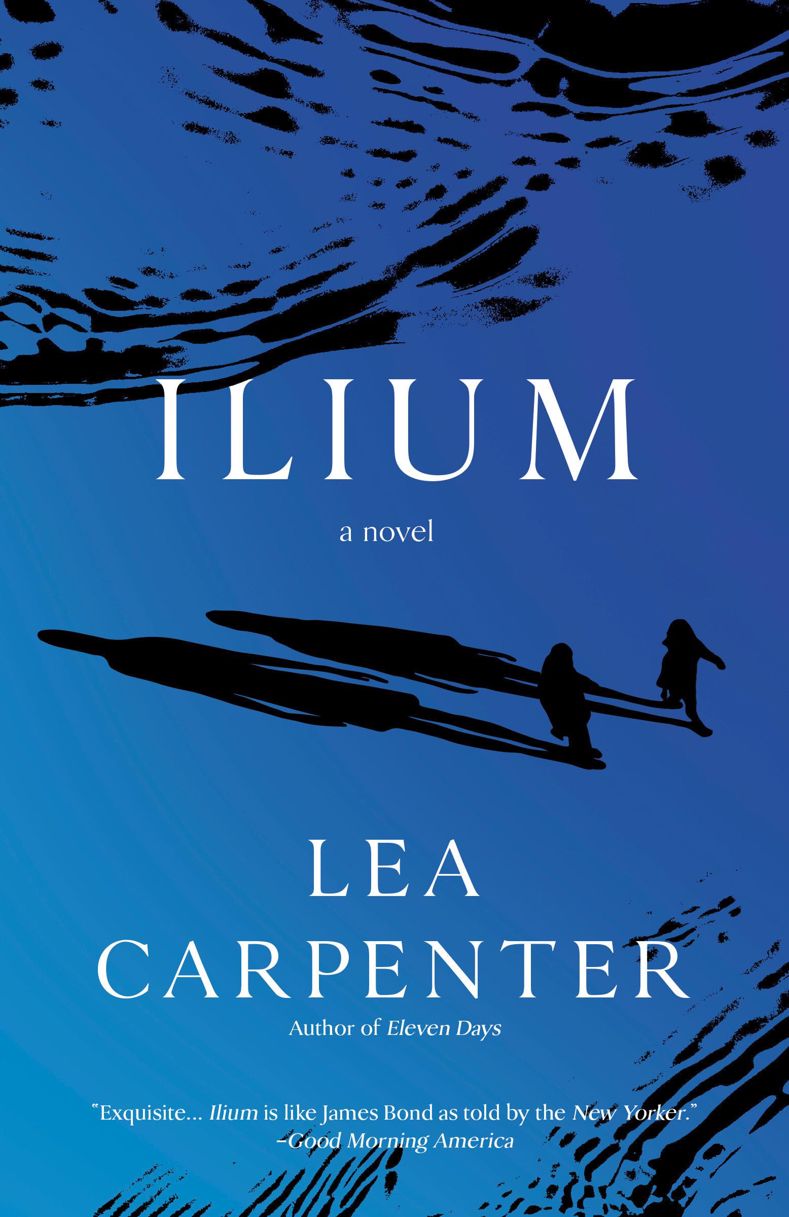
I always read spy stuff. This year some of it was out of my normal boundaries—The Blonde Identity by Ally Carter is a spy rom-com. Fun enough. Ilium by Lea Carpenter is sort of what you might get if Margaret Atwood had written Le Carré’s The Night Manager. Beautiful cover too. I found it doing random book surfing at Kepler’s Books in Menlo Park during an all-expenses-paid trip to Google I/O (thank you Google!).
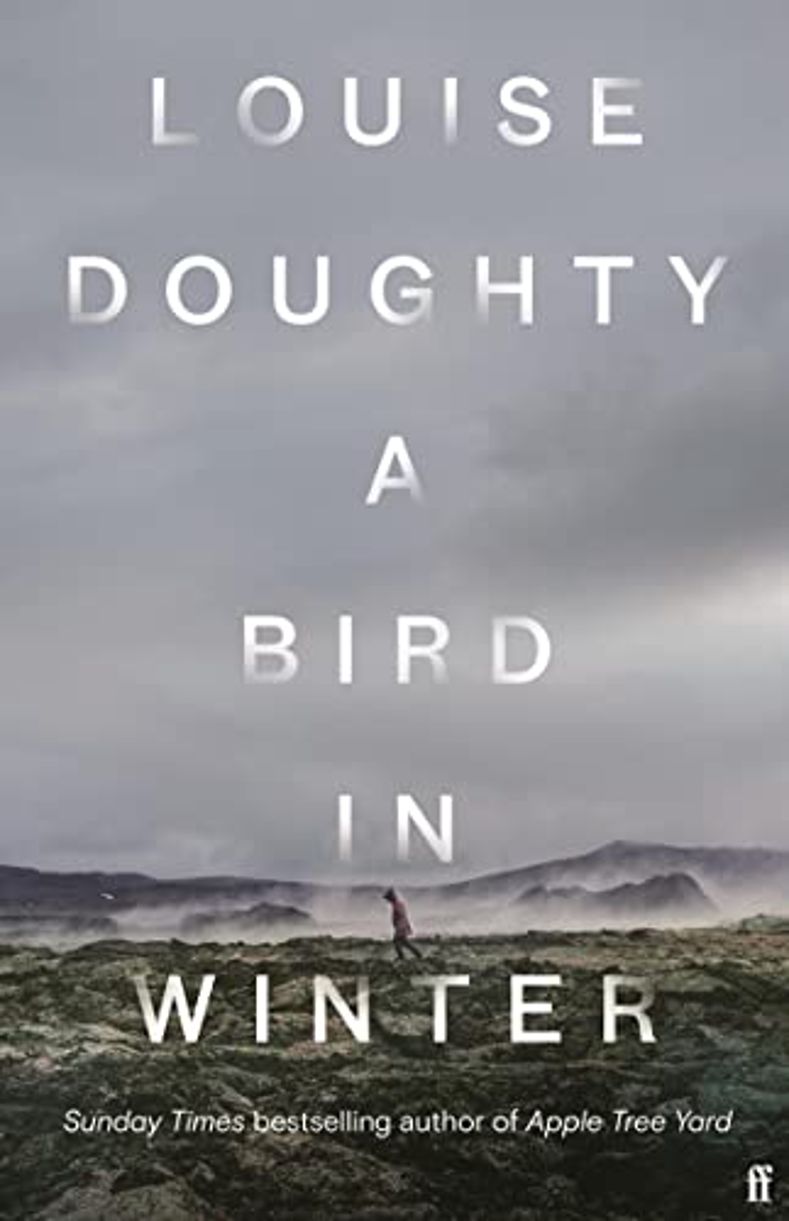
In a more normal zone, I read The Amateur by Robert Littel, which I wanted to read before I saw the movie (which I have not yet done). The Collaborators by Michael Idov was a fast and enjoyable read. I enjoyed Black Water and A Bird in Winter, two books by Louise Doughty, very much.
Sci/Fi#
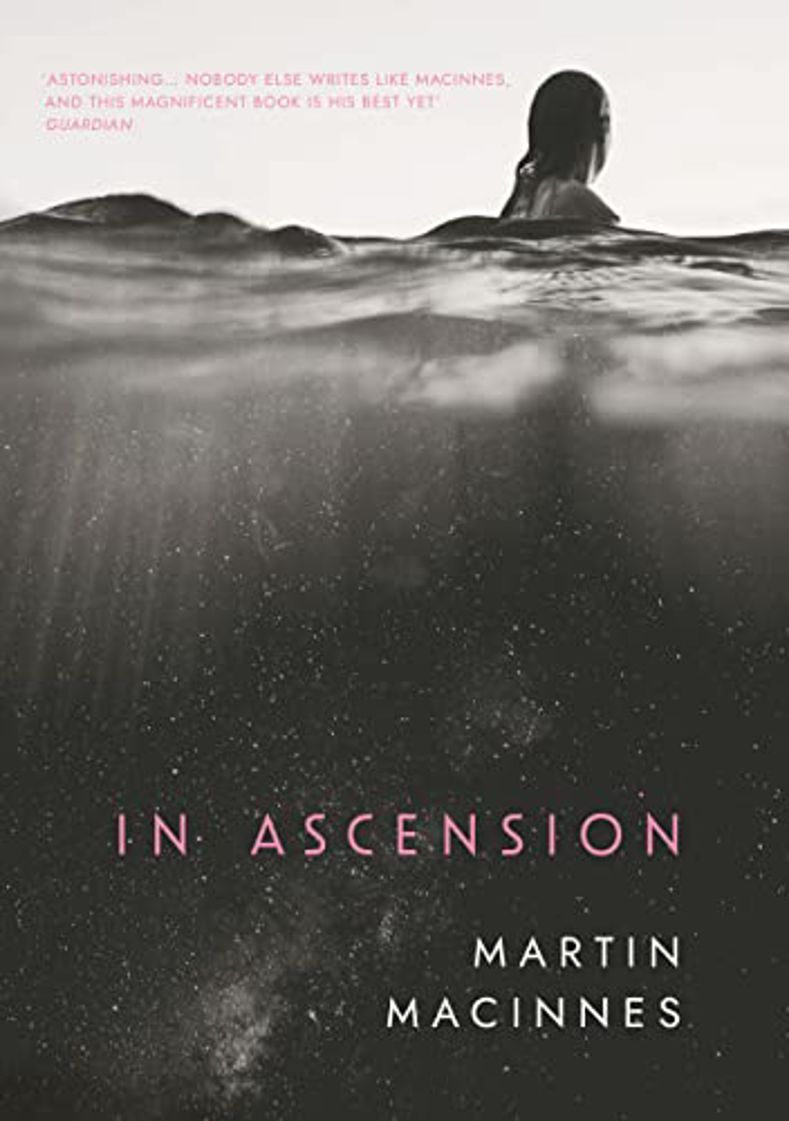
I read Dune (again), this time focused on trying to take in the writing itself, rather than being swept up by the irresistable narrative. My book club read The Dispossessed by Ursula K. LeGuin, and it was very good and thought provoking. I’d wanted my book club to read In Ascension for a few years now, but never managed to convince anyone, so I read it on my own…). Fascinating, though uneven, book. The Old Man’s War by John Scalzi, Ymir by Rich Larson (“Beowulf in space”), and The Ferryman by Justin Cronin, a new author for me—these were all enjoyable reads.
Oddities and things that don’t fit elsewhere#
The Lost Books of the Odyssey reimagines Homer through invented, amusing recastings of known stories, and inventions of new ones. For Homer fans only.
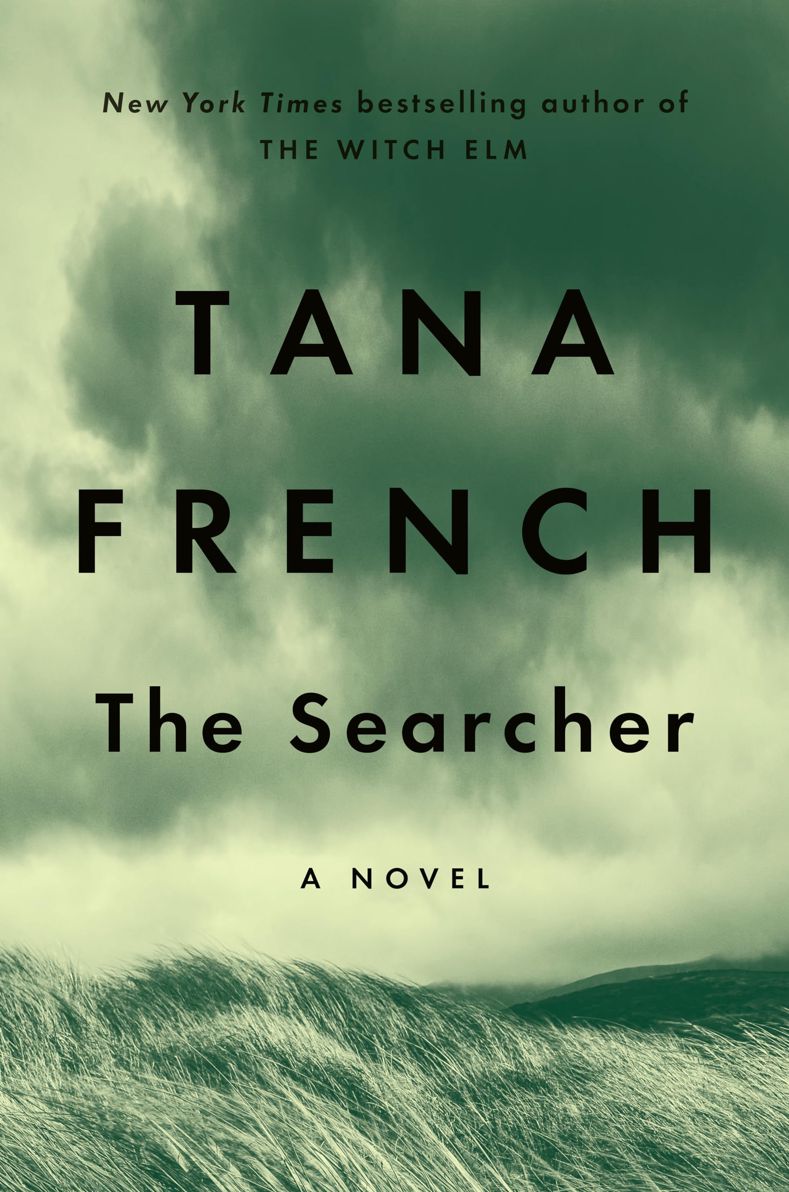
The Searcher by Tina French. Damn, this book was good. A Chicago police detective retires to Ireland. Chaos ensues. The writing is literary, the events violent.
My book club read All Fours this year. Sheesh, what a bad book. I was constantly wondering if the book was a sendup or whether I was having my leg pulled (the main character, complaining to someone speaking to her (?) daughter: “Don’t gender my child!” Really?) The main character was unsympathetic and reprehensible. If a man behaved the way she did, the comments about the patriarchy would have been nonstop. She was bathing with her near-teen age child, fantasizing about sex with her parents… the list goes on. I do not understand why this book was celebrated.
If you want to get inside the head of a middle-aged man—not something I necessarily recommend—you cannot do better than reading Jim Harrison. I read The Ancient Minstrel, which contains bits from his wonderful The Great Leader. It’s good fun, but if you have not read Harrison, I’d suggest Legends of the Fall (Revenge might be my favorite story) or The Great Leader.
Comparing my last two comments, perhaps I am seeing All Fours differently now. Jim Harrison’s middle-aged men are often reprehensible, but I recognize their inner dialog. We may not act that way, but I’m sure we think that way from time to time.
Maybe that’s what Miranda July was after…🤷
This coming year#
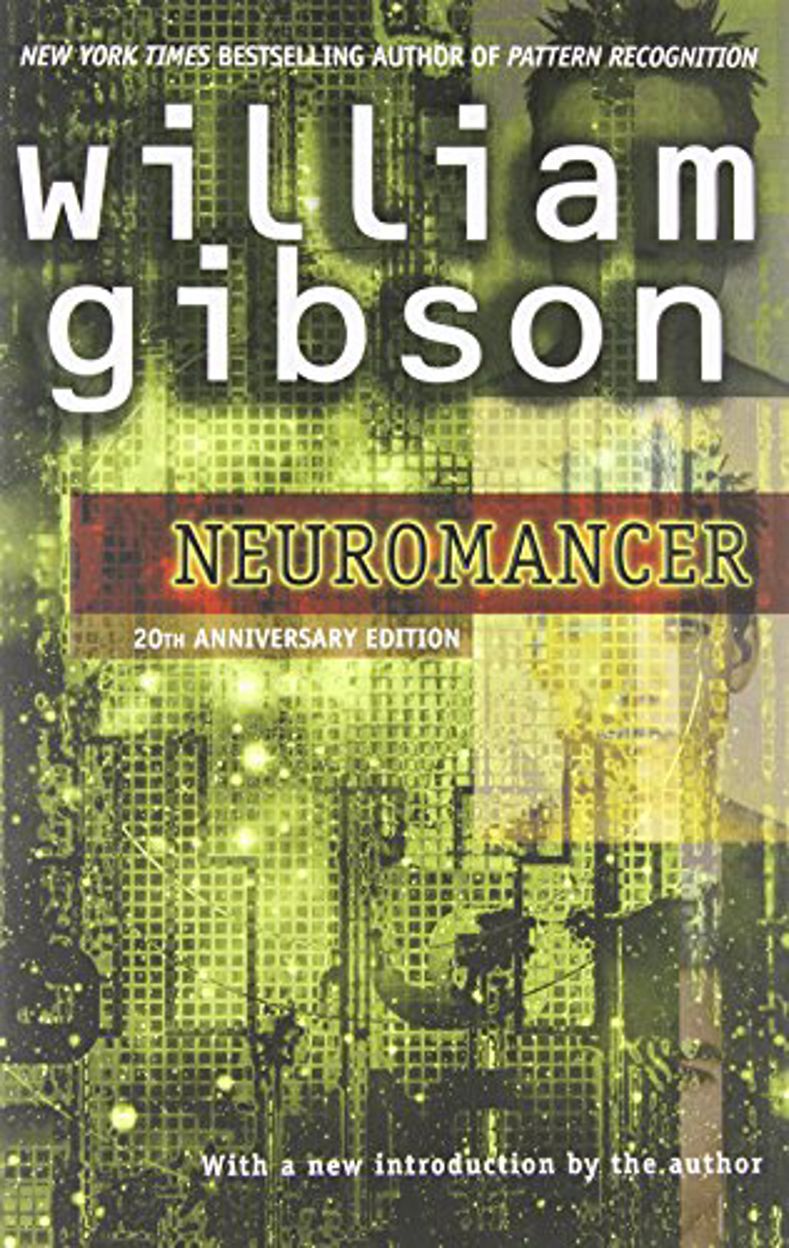
I’ve just started in on a re-read of Neuromancer, which I’ve read many times before, but I want to fix it in my memory before the TV series comes along. It’s also timely as AI features heavily in the work…