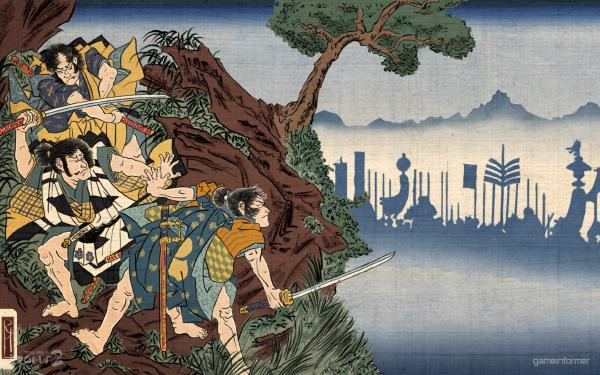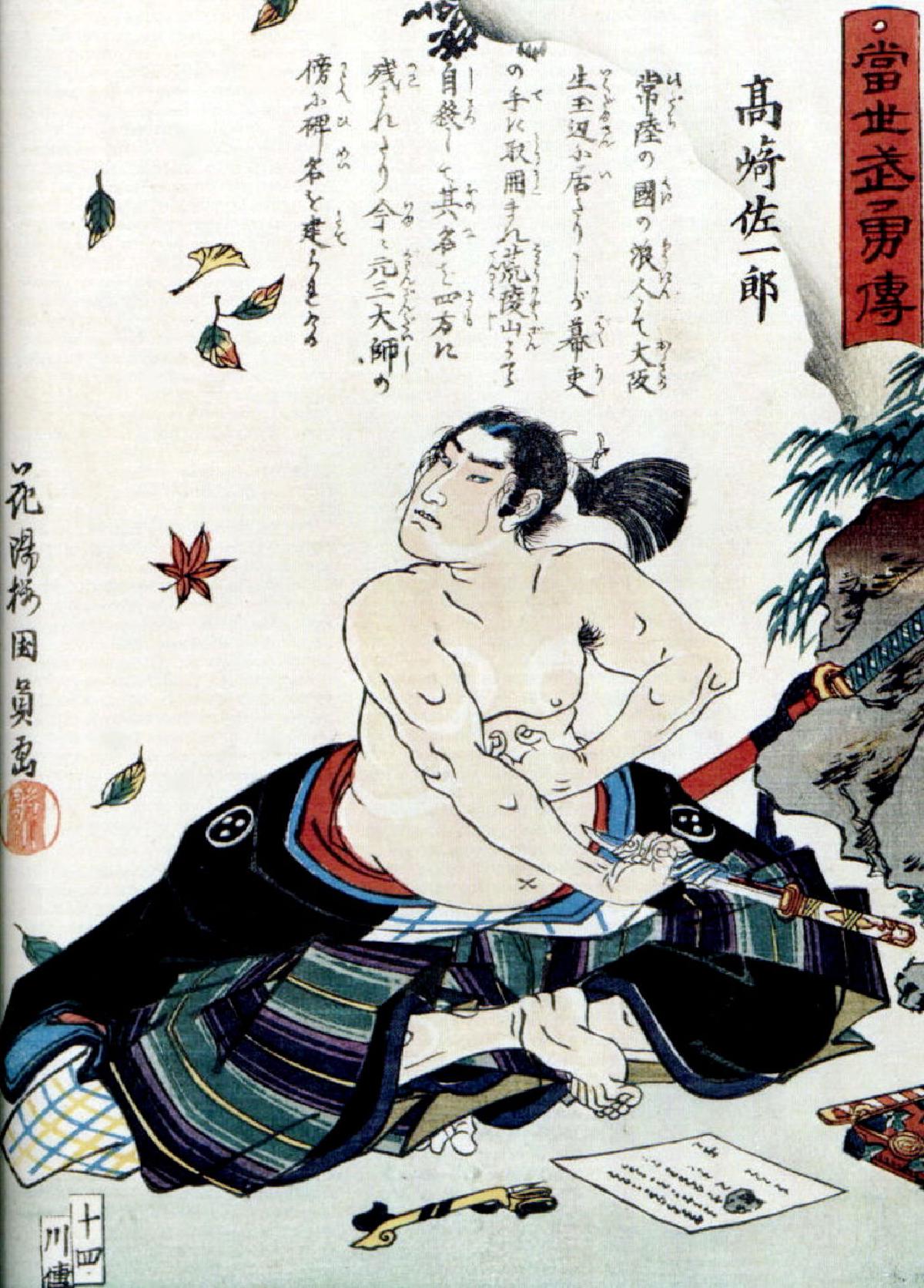

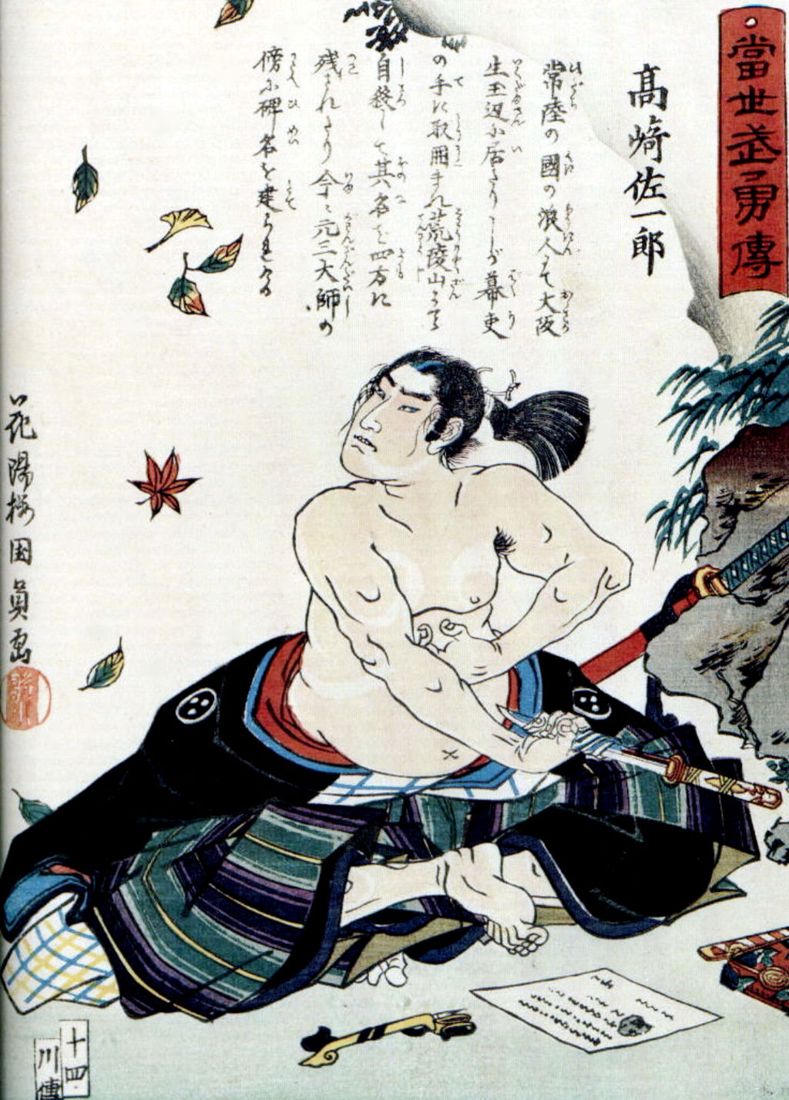
This is the second in a series of leadership posts brought on by my latest reading of Shogun. As a reminder, Blackthorne is an English ship navigator marooned in Japan (loosely based on the exploits of the historical figure William Adams, the first Englishman to reach Japan and the first western Samurai). Samurai had a fierce sense of honor and committed ritual suicide if they failed in their duty, hence the tongue in cheek image.
There’s a natural tendency amongst first time CEOs (and first time managers) to blame subordinates when something goes wrong. After all, they probably did make a mistake. But, it’s always your fault. You are responsible. If not for doing the task correctly, then for ensuring that it is done correctly. That the mission is clear. That the right resources are available; that there’s no roadblocks; that the right person is leading the activity. If something big goes wrong, it’s your fault.

Shogun contains an interesting illustrative example. Blackthorne is in the process of becoming Samurai, via the Japanese daimyo (lord) Toranaga, his sponsor and protector. Blackthorne has been given possession of a household and servants, and raised to Samurai class. But he’s not quite made the jump to Japanese food, and so he is hanging a pheasant near the house for it to improve in flavor, and the bird is beginning to decompose and attract flies. An old gardener volunteers to remove the bird from the house during Blackthorne’s absence. Samurai have the power of life and death over their subjects and violating an order is punishable by death. So the gardener is put to death by Blackthorne’s Japanese wife, also Samurai. After raging at her for the unnecessary death,
He wept because a good man was dead unnecessary and because he now knew that he had murdered him. “Lord God forgive me. I’m responsible — not Fujiko. I killed him. I ordered that no one was to touch the pheasant but me. I asked her if everyone understood and she said yes. I ordered it with mock gravity but that doesn’t matter now. I gave the orders, knowing their law and knowing their customs. The old man broke my stupid order so what else could Fujiko-san do? I’m to blame.”
If you’re the CEO, it’s your fault. And sometimes you have to fall on your sword for it, metaphorically speaking. But embrace the responsibility and this way of thinking, and you’ll find that things don’t go wrong very often.